Guides
AAHA accreditation for a US animal hospital, what it costs and what it returns
Animal hospital finance: what AAHA accreditation costs a US practice, the standards it audits, prep hours, referral effects, and the break-even math.
What to take away
- For animal hospital finance, AAHA accreditation is a fixed annual cost with a measurable marketing and referral return, not a one-time purchase.
- The evaluation fee is only part of the stacktravel, staff hours, facility fixes and consulting usually dwarf it.
- Accreditation audits roughly 900 standards across pharmacy, surgery, dentistry, anesthesia, records, diagnostics and client service.
- Pricing rarely rises because of the seal alone; referrals and retention move first, and they move slowly.
- A two-doctor hospital typically needs new revenue of about $18,000 to $30,000 a year to justify the full cost.
- Small practices with thin margins and no referral pipeline should model the numbers before applying.
What AAHA accreditation actually audits in a US animal hospital
The American Animal Hospital Association publishes a standards manual that runs to roughly 900 individual standards. A practice is measured against all of them, not a sample, and the evaluation is repeated every three years.
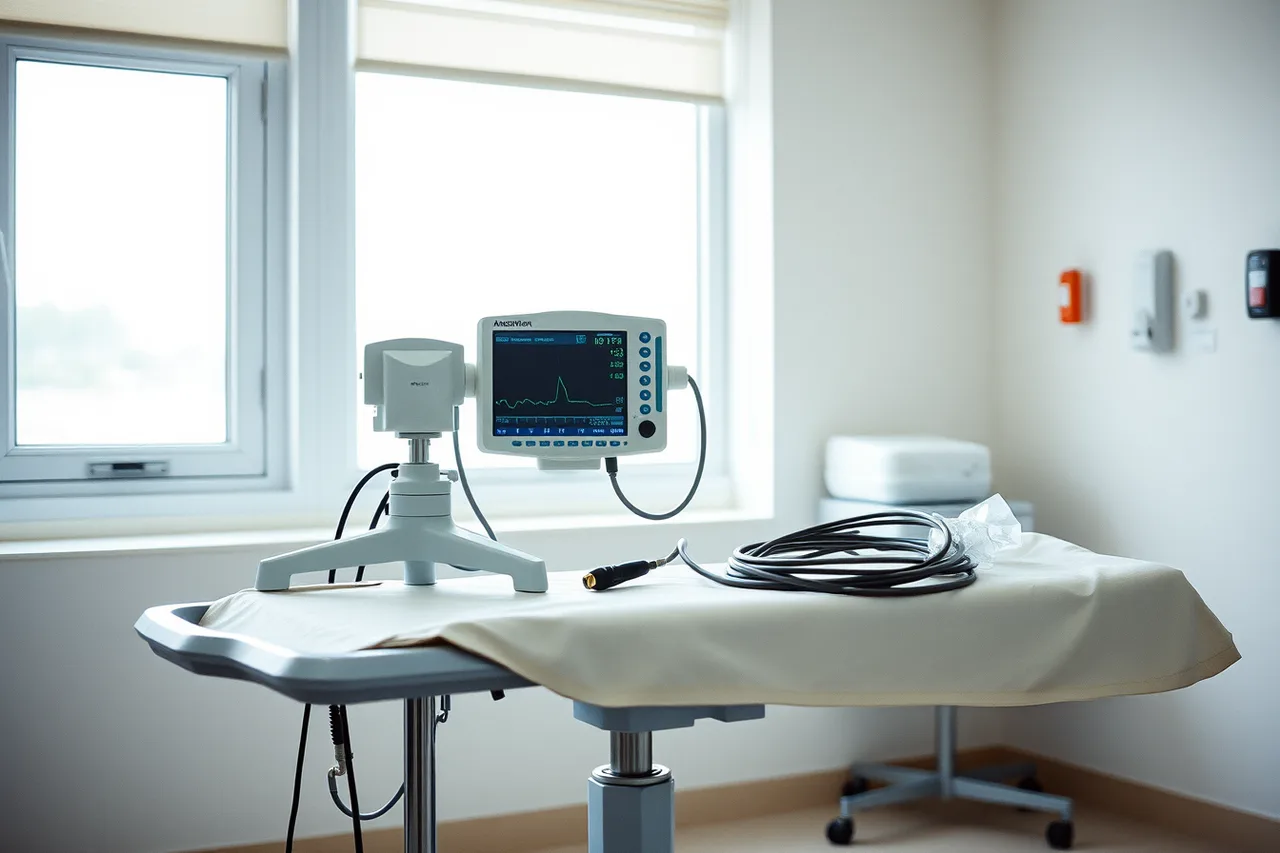
The categories that carry the most weight are anesthesia and monitoring, surgery, dentistry, pharmacy and controlled substances, and medical records. Diagnostic imaging, laboratory services, emergency care and client communication are scored as well.
Mandatory items are pass or fail. If a practice cannot show a written anesthesia protocol, a functioning anesthetic monitor, or a log for controlled substances, the evaluation stops there. The evaluator does not negotiate.
Records are the quiet killer. AAHA expects a problem-oriented medical record with a defined database, assessment, plan and progress notes. Practices that still write one-line SOAP notes on paper usually fail this section on the first visit.
Dentistry standards require dental radiography, a charting system, and documented anesthesia for every dental procedure. Many general practices in the US still clean teeth without full-mouth radiographs, which is a common first-cycle failure.
Pharmacy and controlled substances standards overlap with Drug Enforcement Administration requirements. AAHA expects reconciliation logs, secure storage, and documented training for anyone who handles controlled drugs. A DEA registration alone does not satisfy the standard.
The standards also reach into client service: appointment reminders, follow-up on abnormal lab results, and a written estimate before treatment. These are the sections most likely to be already met by practices that do their own Keeping a veterinary practice to standard work, run without an outside evaluator.
Accreditation is voluntary and separate from state licensure. State boards of veterinary medicine set the legal floor; AAHA sets a higher commercial one. That distinction matters when owners compare the cost against what a state inspection already requires. AVMA Policies on practice standards and accreditation frame where the profession draws that line.
AAHA evaluation fees and the cost stack around them
The published AAHA evaluation fee sits in the low thousands of dollars for a single-hospital practice, and it recurs at each three-year re-evaluation. The fee is the smallest line in the budget for most first-time applicants.
The full cost stack usually looks like this:
| Cost line | Typical range for a two-doctor hospital |
|---|---|
| AAHA evaluation fee | Low thousands, recurring every three years |
| Consultant or mentor | $3,000 to $12,000 |
| Staff time for preparation | 120 to 300 hours |
| Equipment and facility fixes | $5,000 to $40,000 |
| Lost production during the site visit | One to two days of appointments |
| Ongoing compliance and record keeping | Several hours a month |
Equipment is where the surprises live. Dental radiography, a proper anesthesia monitor, and a dedicated isolation area are the three items that most often push a first-time budget past $20,000.
Staff time is the invisible cost. If a practice manager spends 200 hours on preparation at a loaded rate of $40 an hour, that is $8,000 of work that did not generate revenue. Owners who track their own numbers see this immediately, and those metrics deserve a monthly look.
The re-evaluation fee is smaller than the first application but the preparation does not disappear. Practices that let records drift between cycles pay for it again every three years.
There is no federal subsidy for accreditation. Small Business Administration loan programs can fund equipment, but the loan is debt, not a discount, and it should be modeled against the expected revenue lift.
Preparation time: the standards that take longest to reach
Most first-time applicants need six to twelve months of preparation. The work is not hard, but it is sequential, and it touches every room in the building.
- Run a self-assessment against the full standards manual and score every category honestly.
- Fix the mandatory items firstanesthesia protocols, controlled substance logs, dental radiography, isolation.
- Rewrite the medical record format and retrain every veterinarian and technician on it.
- Build the written policies the manual requiresinfection control, radiation safety, emergency response, client communication.
- Schedule a mock evaluation with a consultant or a mentor hospital, then close the gaps it finds.
- Book the real site visit only after the mock produces no mandatory failures.
Medical records take longest. Changing how four or five clinicians write notes is a behavior change, not a paperwork task, and it typically absorbs a third of the total preparation hours.
Anesthesia and monitoring come second. Writing the protocol is fast; buying the monitor, training the team, and proving the practice actually uses it takes months.
Client communication standards are the easiest to meet for practices that already follow up on lab results and send reminders. Practices that do neither should expect to build those habits from scratch.
The preparation itself has value beyond the seal. A practice that documents its protocols and trains against them is easier to run, easier to sell, and easier to staff when an associate leaves. A written checklist keeps service quality honest while the work is underway.
How accreditation moves pricing and referrals in US markets
Accreditation does not give a practice pricing power in most US markets. Clients compare prices on routine vaccines and spays, and the AAHA seal does not appear in those comparisons.
Pricing can move in one narrow way: accredited hospitals can justify a higher fee for procedures where the standard is visible to the client, such as dental radiographs bundled into a dental cleaning. The client is paying for the radiograph, not the seal.
the method behind a fair margin still starts with cost per procedure, not with a plaque on the wall.
What accreditation does affect is the referral conversation. Referring veterinarians and specialty hospitals use accreditation as a shorthand for records quality, anesthesia safety and radiography standards. A practice that receives referrals from emergency clinics and specialists can expect the seal to matter in that relationship more than any advertisement.
Referral volume rarely jumps the month after accreditation. The effect shows up over one to three years as referring doctors notice cleaner records and fewer callbacks. That is the same slow mechanism behind veterinary practice startup costs without buying any marketing at all.
Market economics matter here. Veterinary spending is discretionary and sensitive to household budgets, and the pricing room in a market like Dallas or Phoenix is thinner than in a market like Seattle or Denver. Owners should read the AVMA Economic and Market Research before assuming a price increase will hold.
Benchmarking against industry data helps. Wage and revenue figures for veterinary services, available through the Overview of BLS Statistics by Industry : U.S. Bureau of Labor Statistics, show how far a practice sits from the national distribution before it decides to raise fees.
Client trust signals and how they show up at the front desk
Most clients do not know what AAHA stands for. The trust effect is real but indirect, and it works through signals rather than the acronym.
The signals clients actually notice are the ones accreditation forces into place: a written estimate before treatment, a follow-up call after an abnormal lab result, full-mouth radiographs before a dental, and a discharge sheet that explains what happened. Each of these is an AAHA standard.
A front desk that can answer questions about the practice's protocols converts more new clients than a wall plaque. Staff who can explain why the dental includes radiographs close that treatment more often.
Online reviews reflect this. Accredited practices tend to accumulate reviews that mention thoroughness and explanation, which is a different pattern from reviews that mention price alone.
Trust also shows up in retention. A client who understands the treatment plan returns for the next visit, and retention is cheaper than acquisition in every service business, veterinary included.
The plaque still has a use: it belongs in the exam room, not the waiting room, where it can prompt the veterinarian to explain the standard behind the recommendation.
When accreditation is not worth it for a small practice
A one-doctor practice with a stable, price-sensitive client base often cannot recover the cost. The revenue lift that justifies accreditation comes from referrals and higher-value procedures, and a practice with neither is paying for a seal it cannot monetize.
Practices in areas where the nearest emergency hospital and specialist are more than an hour away see little referral benefit. There is no referring network to influence.
A practice that is already struggling with cash flow should not spend $20,000 on equipment and preparation. The accreditation process consumes management attention, and a practice without a manager has none to spare.
A practice planning to sell within two years should think carefully. Accreditation can support a valuation, but the buyer may not maintain it, and a premium is not assured.
Finally, a practice that already meets the standards informally gains less. If records, anesthesia monitoring and dental radiography are already in place, the remaining gap may not justify the recurring fee and preparation hours.
The test is simple: if the practice cannot name three referral sources or three procedures that would grow, accreditation is a cost without a return.
A cost-and-return worksheet for a two-doctor hospital
Here is a worked example. Assume a two-doctor hospital with annual revenue of $1.4 million, a 12 percent operating margin, and a referral relationship with one emergency clinic.
Costs in year one:
- AAHA evaluation fee$2,500
- Consultant$6,000
- Preparation hours, 200 at $40 loaded$8,000
- Dental radiography and anesthesia monitor$18,000
- Lost production, two days$6,000
- Total year one$40,500
Recurring cost in years two and three:
- Compliance and record keeping, 40 hours a year$1,600
- Re-evaluation fee$2,000
- Total annual recurring$3,600
Now the return. Suppose accreditation produces three additional referrals a month from the emergency clinic, at an average invoice of $450. That is $16,200 a year. Suppose it also lifts dental revenue by two procedures a month at $600, which is $14,400 a year. Total new revenue: $30,600.
At a 40 percent contribution margin, that new revenue contributes $12,240 a year against $3,600 of recurring cost. The practice is ahead by roughly $8,600 a year after year one, and it recovers the $40,500 first-year outlay in about four years.
If the referral lift is only one case a month and dental does not move, new revenue falls to about $12,600 and contribution to about $5,040. That barely covers recurring cost and never repays year one.
The break-even point sits near $9,000 of annual contribution, which is roughly $22,500 of new revenue at a 40 percent margin. A two-doctor hospital that cannot see a credible path to that number should wait.
Two adjustments change the math. If the practice already owns the equipment, year one drops to about $22,500 and the payback shortens to roughly two years. If a consultant is not used, subtract $6,000, though the mock evaluation is the step most likely to prevent a failed site visit.
Track the assumptions monthly. Referral counts, dental procedure volume and new client retention decide whether the investment pays. The AVMA Reports and Statistics on workforce and caseload give a national frame for the caseload side of that calculation.

s and the template behind them](/covers/veterinary-practice-quote-template-with-pricing-examples-640.webp?v=5969004)