Guides
Reviewing profitable veterinary practice services: strengths, gaps and a verdict
Wellness plans, dentistry and in-house labs carry the margin in most small animal practices, but each hides a cost that decides whether it pays.
What to take away
- This review of profitable veterinary practice services names seven lines: wellness plans, dentistry, in-house laboratory, diagnostic imaging, chronic-disease monitoring, nutrition and behavior consultations, and boarding, grooming and retail.
- Wellness plans and dentistry are the two services most often named as profit centers. Both fail on the same thing: the work they pull in is not scheduled.
- In-house laboratory and imaging equipment only pays when daily volume clears the instrument's own cost. You can work that out before buying.
- Boarding, grooming and retail are convenience services. They keep clients in the building and rarely carry overhead on their own.
- Every service on this list needs a price that covers the full visit, including the procedure.
- Confirm licensing, delegation and record rules with your state veterinary board before adding anything.
This article covers business operations, not clinical, tax or legal advice. Veterinary licensing and scope-of-practice rules vary by state, so confirm local requirements before you change a service line.
Named services, strengths, gaps and verdicts
The review compares seven named service lines on margin, schedule fit, staffing and equipment cost. Prices are typical ranges unless a vendor publishes a figure. Confirm current quotes.
Seven Service Lines Compared
Service
- Dentistry
- Strongest margin
- Wellness plans
- Predictable scheduling
- In-house lab
- Same-visit speed
- Imaging
- Faster decisions
- Chronic care
- Adds retention
- Nutrition
- Adds retention
- Behavior
- Adds retention
Strength
- Dentistry
- Discount hides lab cost
- Wellness plans
- Bundle priced off exam
- In-house lab
- Clears cost only at volume
- Imaging
- Instrument cost at volume
- Chronic care
- Separate overhead
- Nutrition
- Separate overhead
- Behavior
- Separate overhead
Gap
- Dentistry
- Wellness plans
- In-house lab
- Imaging
- Chronic care
- Nutrition
- Behavior
On margin and client acceptance, dentistry leads. Wellness plans lead on predictable scheduling. In-house lab and imaging buy speed, but only clear their instrument cost at volume. Chronic care, nutrition and behavior add retention. Boarding, grooming and retail add retention with separate overhead.
Wellness plans: Banfield Optimum Wellness Plans, VCA CareClub, PetDesk, Vet2Pet and Vetstoria. A monthly plan converts one annual exam into twelve payments and a schedule of preventive care. Strength: predictable revenue and clients who return on time.
Gap: the plan discount is real money. Practices that price it off the exam fee alone lose margin on the included dentistry and lab work.
Verdict: price the bundle from the cost of everything inside it. Banfield and VCA publish plan tiers; monthly costs typically fall between $40 and $80 by species and plan. Use PetDesk or Vet2Pet reminders to schedule the pulled work.
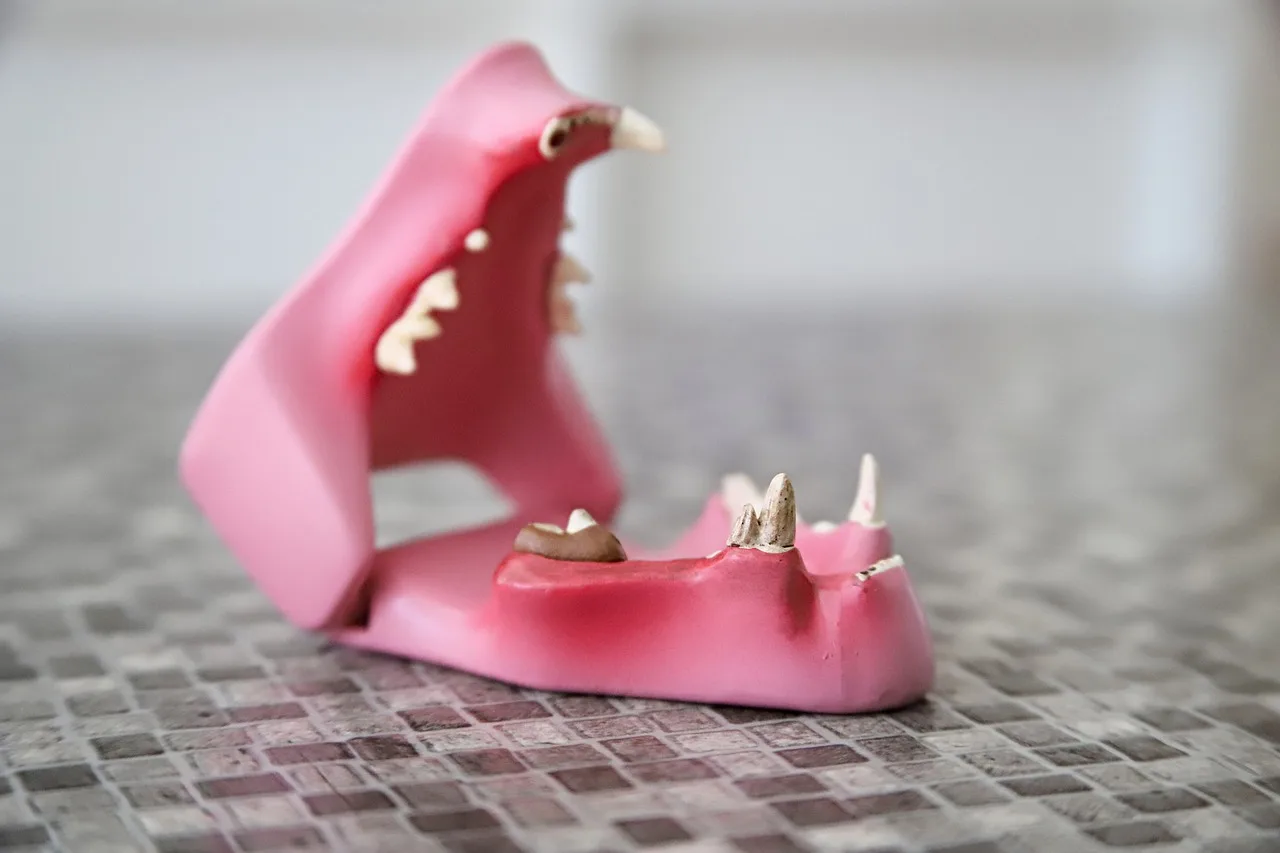
Dentistry: Midmark VetPro 1000, iM3 CR7, Dentalaire and AAHA Dental Care Guidelines. Dentistry carries the strongest margin in most small animal practices, because the client already accepts that the pet needs it. Strength: high average invoice, repeatable protocol, clear before-and-after.
Gap: it competes with your own surgery schedule for the same room, the same anesthesia machine and the same technician.
Verdict: without a dedicated dental block, the service fills surgery-day gaps and produces little dental margin. Dental radiography systems typically run $10,000 to $25,000; confirm current quotes.
In-house laboratory: IDEXX Catalyst One, Zoetis Vetscan VS2, Abaxis VetScan; reference labs IDEXX Reference Laboratories, Zoetis Reference Laboratories and Antech Diagnostics. Strength: results in the exam room, which lets the veterinarian act on them the same visit.
Gap: consumables, controls, maintenance and trained coverage run whether you use the analyzer or not.
Verdict: divide the annual cost of the instrument, its service contract and its consumables by the number of tests you actually run in a week. If that figure is above what a reference lab charges, you are paying for speed while margin shrinks. Say so out loud.
In-house chemistry analyzers typically list $8,000 to $25,000, with consumables $5 to $25 per test. A reference lab panel typically lists $30 to $80.
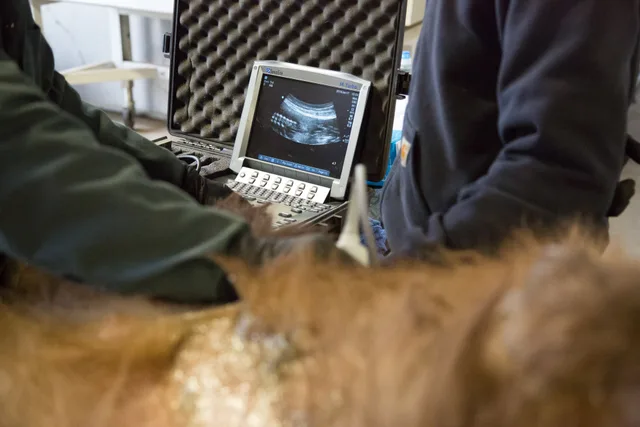
Diagnostic imaging: Butterfly iQ+, Mindray, Esaote, IDEXX ImageVue, Sound Technologies, VetCT and IDEXX Telemedicine. Strength: ultrasound and digital radiography support dentistry, surgery and chronic care at once.
Gap: interpretation. If no one on staff reads the images, you are paying for a machine and a teleradiology bill.
Verdict: count setup, training and maintenance before you estimate contribution. Portable ultrasound typically $5,000 to $20,000; digital radiography $20,000 to $60,000; teleradiology reads $50 to $200 per study.
Chronic-disease monitoring: IDEXX SDMA, fructosamine and AlphaTrak 3. Strength: a diabetic or renal patient returns four times a year for years.
Gap: the recheck is priced like a quick visit and takes three times as long.
Verdict: price the recheck as its own service. Recheck exams typically $50 to $90, with lab panels $60 to $150.
Nutrition and behavior consultations: Royal Canin Veterinary Diet, Hill's Prescription Diet, Purina Pro Plan Veterinary Diets, Fear Free, Karen Pryor Academy and the American College of Veterinary Behaviorists. Strength: low equipment cost, high client loyalty.
Gap: they only work inside the team's competence.
Verdict: set referral criteria for anything beyond it. Initial behavior consults typically $80 to $200; board-certified behaviorists $200 to $400.
Boarding, grooming and retail: Rover, Wag, Petco, PetSmart and Chewy. Strength: they fill the building and hold clients who might otherwise shop elsewhere.
Gap: they carry their own labor, insurance and space, and rarely clear overhead alone.
Verdict: track them as retention and review their profit separately. Boarding typically $25 to $75 per night; grooming $40 to $90 per dog.
Worked example: does the analyzer pay?
Substitute your own figures. Let A be the instrument's purchase price, S its annual service contract, C the consumable cost per test, and N the tests you run in a year.
Does the analyzer pay?
Is your cost per test lower than the reference lab's price plus second-visit cost?
the analyzer saves money; keep it
price it as a convenience, not a saving
Your cost per test is (A divided by the years you will keep it, plus S, plus C times N) divided by N. Compare that with the reference lab's price plus the cost of the client coming back for a second visit.
If your figure is higher, the analyzer is buying same-visit decisions, and you should price it as a convenience rather than a saving.
Where to check the numbers
American Veterinary Medical Association: Practice management courses covers these topics:
- operations
- budgeting
- client communication
- technology
- team building
- marketing
- liability
- retention
- business growth Use it to pressure-test a service line before you commit to equipment or staff.
Centers for Disease Control and Prevention: Healthy Pets, Healthy People explains how diseases pass between animals and people and publishes hygiene, cleaning and emergency resources. It matters when a service brings more animals, or more species, through the building.
AAHA accreditation is a separate decision from any single service line, and it is worth reading the standards before you assume a new service fits them.
Keep the working standard current
Put an effective date on the written protocol, name the approved version, and keep superseded copies out of daily use. Staff should know where the current version lives and how to flag a conflict between the written rule and what actually happens on the floor.
Review the veterinary practice services and packages guide when you reprice a bundle, and revisit each service when the schedule, the staffing or the equipment changes.
Common questions
Which veterinary service is most profitable?
Dentistry and wellness plans are the two most often named, because both carry high client acceptance and repeat demand. Dentistry depends on having a room and a technician you can dedicate to it. A wellness plan depends on pricing the bundle from the cost of everything inside it, rather than from the exam fee alone.
Should I buy an in-house laboratory or send samples out?
Work out your cost per test first: the instrument price spread over its life, plus the service contract, plus consumables, divided by the tests you run in a year. If that is above the reference lab's price, you are buying same-visit decisions rather than savings. Price it that way and tell clients so.
Are boarding and grooming profitable?
They rarely clear their own overhead, because they carry separate labor, insurance and space. Their value is retention: they keep clients in the building between medical visits. Track them as a retention line rather than a profit center, and review them if they start pulling staff away from medical appointments.
Who sets the rules for what a technician can do?
Your state veterinary board sets delegation and supervision rules, and they differ by state. Confirm the current requirements with the board before you build a service around technician appointments.


s and the template behind them](/covers/veterinary-practice-quote-template-with-pricing-examples-640.webp?v=5969004)